


LinkedIn isn’t just a place for job seekers and recruiters anymore; it’s become the playground for savvy marketers looking to make their mark. As businesses increasingly embrace digital marketing, understanding the latest trends on this professional platform is crucial. If you think LinkedIn is all about stiff suits and formalities, think again—it’s where creativity meets professionalism in the most delightful way.
From eye-catching content formats to targeted ad strategies, the landscape is evolving faster than you can say “networking.” With an audience hungry for valuable insights, marketers have an unprecedented opportunity to engage and convert. So buckle up and get ready to dive into the trends that are reshaping LinkedIn marketing—because staying ahead of the curve is the best way to ensure your brand stands out in a sea of profiles.
Overview of LinkedIn Digital Marketing Trends
LinkedIn continues to establish itself as a key player in digital marketing. Marketers increasingly leverage the platform for B2B advertising campaigns. Interactive content formats, like polls and video posts, gain traction for their ability to enhance engagement. Polls, in particular, invite direct audience interaction and foster community-building among professionals.
Data analytics plays a crucial role in optimizing campaigns on LinkedIn. Companies analyze user engagement metrics to refine targeting strategies. Sponsored content remains popular, allowing brands to create tailored messages for specific demographics. Approximately 92% of B2B marketers view LinkedIn as the most effective social media platform for lead generation.
Influencer partnerships are on the rise within LinkedIn’s marketing landscape. Brands collaborate with industry leaders to enhance credibility and reach. These partnerships extend brand visibility to influencers’ followers, providing access to a wider audience. Event marketing also emerges as a prominent trend, particularly in promoting webinars and virtual conferences that showcase thought leadership.
Personal branding is increasingly emphasized on LinkedIn. Professionals optimize profiles to highlight skills, achievements, and expertise to attract opportunities. As a result, businesses benefit from employees who effectively represent the brand on their personal networks.
User-generated content is gaining validity as well. When employees share brand experiences, it fosters authenticity and trust within the industry. Campaigns that encourage sharing personal stories often reap significant rewards, generating organic engagement and deeper connections with the audience.
Adaptation to these evolving trends is essential for marketers aiming to maintain a competitive edge. By understanding LinkedIn’s landscape and utilizing innovative strategies, brands can effectively reach and engage their target audiences.
Current Trends in LinkedIn Marketing
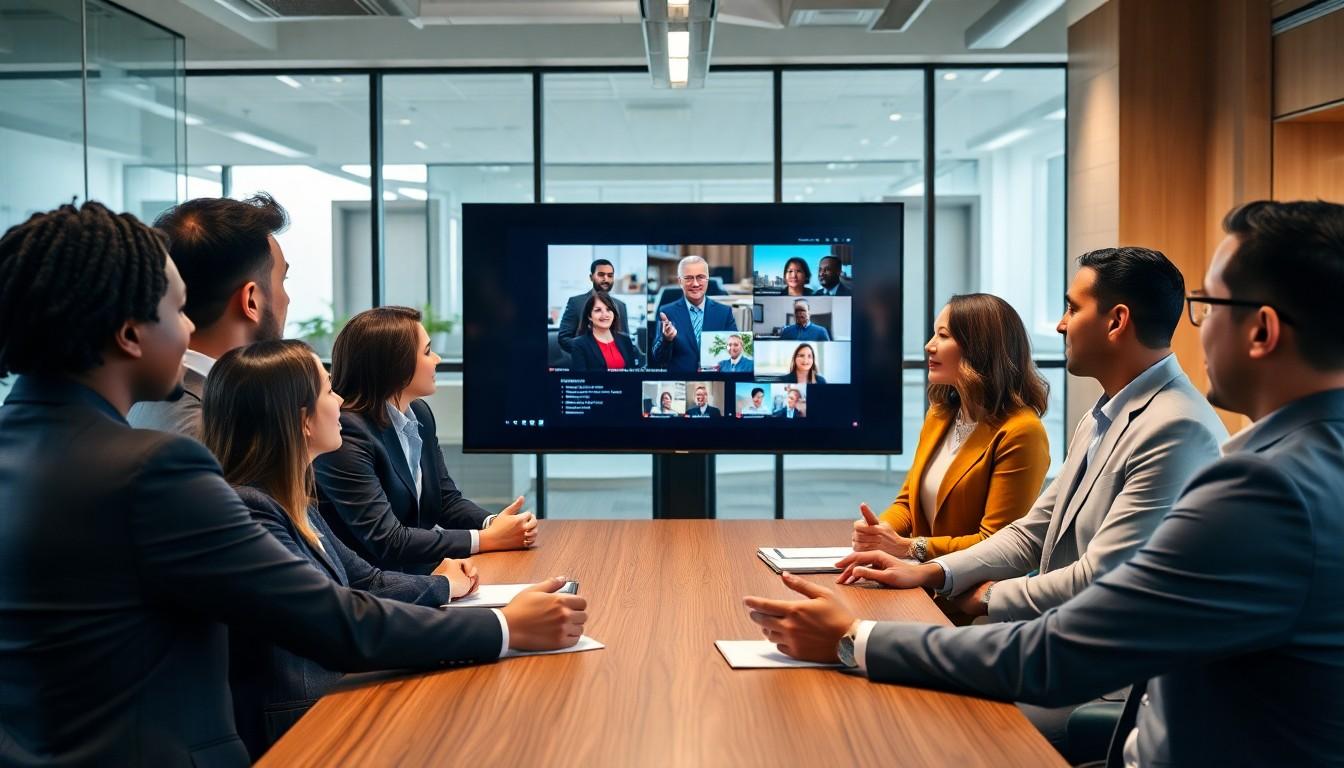
LinkedIn marketing is evolving rapidly, shaped by innovative trends that drive engagement and brand visibility.
Video Content Dominance
Video content now leads the way on LinkedIn. Engaging visuals capture attention, with short clips finding higher engagement rates than static posts. Businesses utilizing video can share insights, showcase products, or offer tutorials. Interactive elements, such as live streaming, further enhance viewer connection. Statistics indicate that 87% of marketers find video content successful in building brands. Companies that integrate video content increase their reach and foster a community eager for dynamic information.
Personal Branding Strategies
Personal branding strategies have gained massive importance. Professionals dedicate time to optimizing their profiles and positioning themselves as industry experts. Key elements include thoughtful profile pictures, engaging summaries, and regular content sharing. Consistency in messaging and engagement yields stronger connections with potential clients or employers. Data shows that candidates who actively manage their personal brand attract 40% more opportunities. Businesses benefit from the credibility these individuals establish, enhancing overall brand representation.
Thought Leadership and Content Marketing
Thought leadership drives content marketing strategies on LinkedIn. Marketers focus on sharing valuable insights to position themselves as trusted authorities. Publishing in-depth articles and blog posts facilitates knowledge sharing and drives discussions. Engaging with other thought leaders helps expand reach and influence. Analytics data reveals that 60% of decision-makers prefer to engage with content from thought leaders. By fostering this environment, brands position themselves effectively within their industry, attracting engagement and driving meaningful conversations.
Data-Driven Marketing on LinkedIn
Data-driven marketing on LinkedIn enhances campaign effectiveness. Marketers leverage analytics to track performance and refine strategies.
Analytics and Performance Measurement
Understanding metrics boosts success on LinkedIn. Engagement rates, click-through rates, and conversion rates reveal how content performs. Tools such as LinkedIn Analytics provide insights into follower demographics and interactions. Data indicates that 74% of marketers attributed their success to robust analytics tools. Measuring user engagement helps marketers adjust content strategies, improving relevance and audience connection. Consistent analysis allows businesses to adapt quickly to shifts in user behavior, ensuring campaigns remain impactful. By prioritizing analytics, marketers maximize return on investment.
Targeted Advertising Techniques
Targeted advertising drives campaign effectiveness on LinkedIn. Marketers utilize audience segmentation for precise targeting based on industry, job title, and location. Sponsored InMail stands out, delivering personalized messages directly to inboxes. This approach results in a 52% higher open rate compared to traditional email campaigns. Retargeting techniques allow businesses to reach users who previously engaged, further enhancing conversion chances. Applying A/B testing on ad formats provides insights into the most effective strategies. Emphasizing custom audiences leads to improved ad performance and increased lead generation. Clear targeting remains a hallmark of successful LinkedIn advertising efforts.
The Role of LinkedIn Groups in Marketing
LinkedIn groups play a crucial role in digital marketing strategies. They serve as platforms for professionals to build relationships, share industry insights, and foster engagement.
Building and Engaging Communities
Communities thrive in LinkedIn groups by encouraging discussions around niche topics. Marketers create value by posting relevant content and initiating conversations that resonate with members. Polls and questions are effective in sparking interaction, leading to higher engagement. Regularly sharing insights helps build credibility and positions marketers as thought leaders. Members feel more connected when they participate in discussions and can share their experiences and knowledge. By utilizing multimedia content, such as videos and infographics, groups see higher retention and active participation.
Best Practices for Group Management
Effective group management involves consistent moderation and engagement. Setting clear guidelines ensures a respectful environment for discussion. Marketers should regularly monitor group activity to identify popular topics and adjust content strategies accordingly. Engaging with members through personalized responses fosters a sense of community. Scheduling regular events, such as webinars or Q&A sessions, helps maintain interest and participation. Analyzing group analytics assists in understanding member demographics and interests, facilitating targeted content that enhances group relevance.
Future Predictions for LinkedIn Digital Marketing
Emerging trends will shape LinkedIn’s digital marketing landscape significantly. Interactive content like polls and video posts will continue to gain traction. Predictions suggest that 92% of B2B marketers will rely on sponsored content for effective lead generation.
Video content’s dominance isn’t waning; data shows that 87% of marketers find it essential for brand building. Marketers will invest in developing high-quality video insights and tutorials that resonate with their audience.
Influencer partnerships are expected to flourish as brands seek credibility through industry leaders. Collaborations with thought leaders will position companies as authoritative voices, fostering trust among potential clients.
Event marketing, particularly for webinars and virtual conferences, will emerge as a primary focus. Companies utilizing engaging, well-promoted events can foster community engagement and enhance brand visibility.
Data-driven strategies will remain critical. Analysts point out that 74% of marketers attribute their success to robust analytics and insights. Targeted advertising will enhance segmentation, ensuring personalized messaging effectively reaches each audience cluster.
Emerging data indicates that Sponsored InMail will achieve a 52% higher open rate than traditional emails, making it a preferred choice for reaching prospects.
LinkedIn groups will maintain relevance, offering platforms to build professional relationships and share insights. Best practices for managing groups will evolve, emphasizing engagement through multimedia content and regular discussions.
Marketers aiming for success must adapt quickly to these dynamics, ensuring their campaigns align with the latest trends on LinkedIn.
Conclusion
Staying attuned to the latest LinkedIn digital marketing trends is essential for brands aiming to thrive in a competitive landscape. As the platform continues to evolve marketers must embrace innovative content strategies and leverage data analytics to enhance engagement. The rise of interactive formats and influencer partnerships offers exciting opportunities for building credibility and fostering community.
By focusing on personal branding and thought leadership marketers can position themselves as trusted authorities in their fields. As these trends unfold the ability to adapt and implement effective strategies will determine success on LinkedIn. Embracing these changes will not only enhance brand visibility but also drive meaningful connections with target audiences.